
Hybrid Event Production is no longer just a backup plan. It’s becoming the preferred way for US companies to connect with employees, customers, partners, and audiences, regardless of where they are.
Are Traditional Events Still Enough?
Have you ever wondered:
- What if half your audience can’t attend in person?
- How do you make virtual attendees feel just as important?
- Is investing in hybrid events actually worth it?
- What technologies are companies using without making events feel overly technical?
These are the questions businesses are asking every day.
The truth is, expectations have changed. People want flexibility. Some attendees love the energy of an in-person conference, while others prefer joining from home or the office. Smart organizations aren’t choosing one or the other anymore. They’re building experiences that serve both audiences equally.
That’s exactly why Hybrid Event Production continues to evolve in 2026.
What Is Hybrid Event Production?
Hybrid Event Production combines an in-person event with a professionally produced virtual experience.
Instead of simply placing a camera in the back of a room, today’s hybrid events are carefully planned so both audiences enjoy an engaging experience.
Common examples include:
- Corporate conferences
- Annual meetings
- Product launches
- Healthcare symposiums
- Educational seminars
- Government meetings
- Investor presentations
- Nonprofit fundraising events
- Religious services
- Award ceremonies
Today’s audiences expect professional video, clear audio, interactive features, and reliable streaming.
Why More US Companies Are Choosing Hybrid Events
Organizations across America have realized that hybrid events solve several business challenges at once.
Some of the biggest advantages include:
Reach More People
Instead of limiting attendance to venue capacity, companies can welcome participants from across the country—or even worldwide.
Increase ROI
One event serves multiple audiences simultaneously.
Rather than hosting separate in-person and virtual sessions, businesses maximize the value of one production.
Better Accessibility
Not everyone can travel.
Hybrid events allow:
- Remote employees
- International partners
- Customers
- Vendors
- Media representatives
to participate without boarding a plane.
Extend Event Lifespan
The event doesn’t end when everyone leaves the venue.
Recorded sessions become valuable content for:
- Training
- Marketing
- Social media
- Sales presentations
- Internal communications
Hybrid Event Production in 2026 Looks Very Different
The biggest shift isn’t just technology.
It’s mindset.
Successful companies now design events for both audiences from the beginning, instead of treating online viewers as an afterthought.
Here are the biggest changes.
Better Storytelling Instead of Longer Presentations
Long speeches are fading away.
Modern events include:
- Shorter presentations
- More visual storytelling
- Live demonstrations
- Panel discussions
- Audience interaction
- Dynamic camera angles
The result?
People stay engaged much longer.
Professional Multi-Camera Coverage
One static camera no longer meets audience expectations.
Today’s Hybrid Event Production often includes:
- Wide stage shots
- Close-up speaker cameras
- Audience reaction cameras
- Product demonstration cameras
- Mobile gimbal operators
This creates a broadcast-quality experience instead of a basic livestream.
Remote Attendees Are Included Throughout the Event
Leading organizations make virtual attendees feel like active participants.
Examples include:
- Live Q&A
- Polls
- Digital networking
- Chat moderation
- Remote speakers
- Live audience feedback
Instead of watching passively, online attendees become part of the conversation.
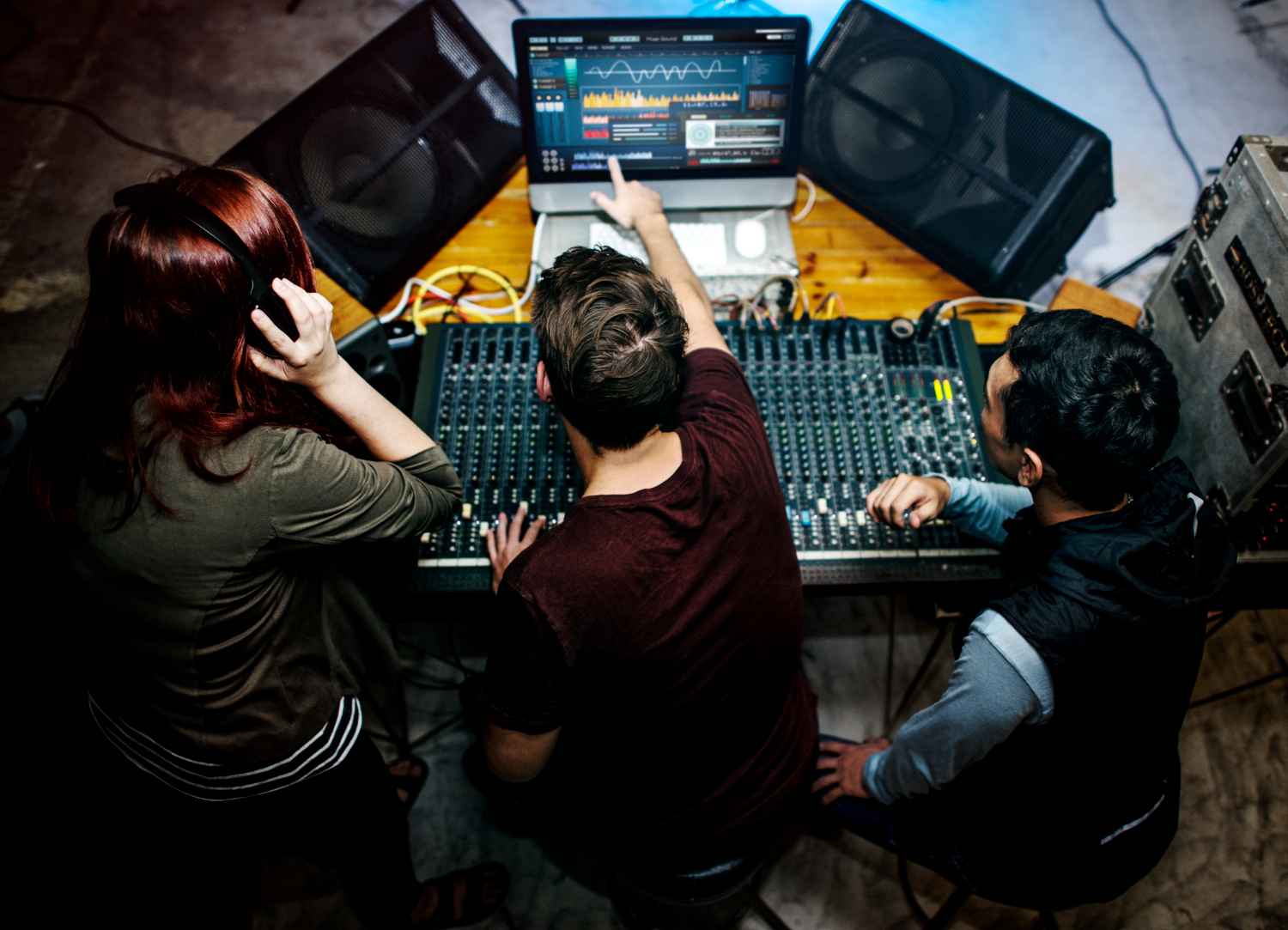
Audio Quality Has Become a Top Priority
People may forgive average video.
They rarely forgive poor sound.
Professional audio now includes:
- Wireless microphones
- Backup recording
- Dedicated audio engineers
- Clean audio mixing
- Echo reduction
- Real-time monitoring
Good sound often determines whether viewers stay or leave.
Faster Content Repurposing
Companies no longer wait weeks to use event footage.
Many production teams now deliver:
- Same-day highlight reels
- Social media clips
- Executive interviews
- LinkedIn videos
- Training segments
- Promotional content
One event can produce months of marketing material.
Planning a Successful Hybrid Event Production
Technology matters.
Planning matters even more.
Before the event, successful teams focus on:
Define Clear Goals
Ask questions like:
- Are you educating employees?
- Launching a product?
- Building customer relationships?
- Raising funds?
- Growing brand awareness?
Every production decision should support those goals.
Design for Two Audiences
Don’t build an event only for people sitting in the room.
Think about:
- Camera placement
- Screen graphics
- Presentation slides
- Audience interaction
- Online engagement
Both audiences deserve an equally enjoyable experience.
Test Everything Early
Nothing creates stress like technical surprises.
Always test:
- Internet connection
- Audio
- Cameras
- Lighting
- Streaming platforms
- Presentation files
- Remote speaker connections
A rehearsal often prevents major event-day issues.
Work With an Experienced Production Team
Professional crews understand much more than operating cameras.
They help manage:
- Production timelines
- Live switching
- Audio mixing
- Streaming platforms
- Recording
- Backup systems
- Technical troubleshooting
That allows presenters to focus on their message.
Industries Leading the Hybrid Event Movement
Hybrid Event Production has become popular across many industries.
Some of the biggest adopters include:
- Corporate businesses
- Healthcare organizations
- Universities
- Government agencies
- Technology companies
- Financial institutions
- Nonprofits
- Manufacturing companies
- Professional associations
Each industry benefits from broader audience reach and improved engagement.
Common Hybrid Event Production Mistakes
Even well-planned events can run into problems.
Avoid these common mistakes:
- Treating online attendees as an afterthought
- Using poor audio equipment
- Skipping rehearsals
- Having weak internet backup
- Overloading presentations with text
- Ignoring audience interaction
- Recording without a post-event content plan
Avoiding these issues creates a smoother experience for everyone involved.
The Future of Hybrid Event Production
Looking ahead, hybrid events will continue becoming more personalized.
Businesses are already experimenting with:
- AI-powered captions
- Real-time language translation
- Interactive networking
- Personalized content recommendations
- Faster video editing
- Improved audience analytics
- More immersive virtual experiences
The focus isn’t replacing in-person events.
It’s expanding them.
Real-World Example
Imagine a healthcare conference in Atlanta.
About 300 attendees are in the ballroom.
Another 1,500 healthcare professionals join remotely from across the United States.
The event includes:
- Multiple camera angles
- Live Q&A sessions
- Interactive polling
- Speaker interviews
- Real-time streaming
- Same-day highlight videos
The conference reaches five times more people than an in-person event alone, while creating valuable content that continues delivering value long after the event ends.
That’s the power of modern Hybrid Event Production.
Final Thoughts
The companies leading the way in 2026 understand one simple idea: every attendee matters, whether they’re sitting in the front row or watching from another state.
By combining thoughtful planning, professional production, engaging content, and reliable technology, businesses are creating events that reach larger audiences, deliver better experiences, and generate lasting value.
As audience expectations continue to grow, investing in Hybrid Event Production isn’t just about keeping up with technology—it’s about creating meaningful experiences that connect people wherever they are.
Frequently Asked Questions
What is Hybrid Event Production?
Hybrid Event Production combines an in-person event with a professionally managed virtual experience, allowing both physical and remote audiences to participate simultaneously.
What types of events work best as hybrid events?
Corporate conferences, product launches, annual meetings, training sessions, healthcare events, nonprofit fundraisers, educational seminars, and association meetings all benefit from hybrid event production.
Is Hybrid Event Production more expensive than traditional events?
While production costs may be higher initially, hybrid events often deliver greater value by reaching larger audiences, reducing travel expenses, and creating reusable content for future marketing and training.
How many cameras are recommended for a hybrid event?
Most professional hybrid events use between two and five cameras, depending on the venue size, audience, and production goals. Multiple camera angles create a far more engaging viewing experience.
Can hybrid events be recorded for later viewing?
Yes. Most organizations record their hybrid events so sessions can be shared on-demand, repurposed into marketing content, or used for employee training and educational resources.
Why is professional audio so important in Hybrid Event Production?
Clear audio is one of the biggest factors affecting viewer satisfaction. High-quality microphones, professional audio mixing, and backup recording help ensure both in-person and virtual audiences enjoy a seamless experience.
How can businesses keep virtual attendees engaged?
Interactive features such as live polls, Q&A sessions, moderated chat, networking opportunities, and real-time audience participation help remote attendees feel included throughout the event.
Hybrid Event Production is redefining how US companies host conferences, meetings, and live experiences, making every event more accessible, engaging, and impactful than ever before.